Donald Trump signals refusal to extend Iran ceasefire as pressure mounts ahead of crucial talks in Pakistan and tensions rise in the Strait of Hormuz.
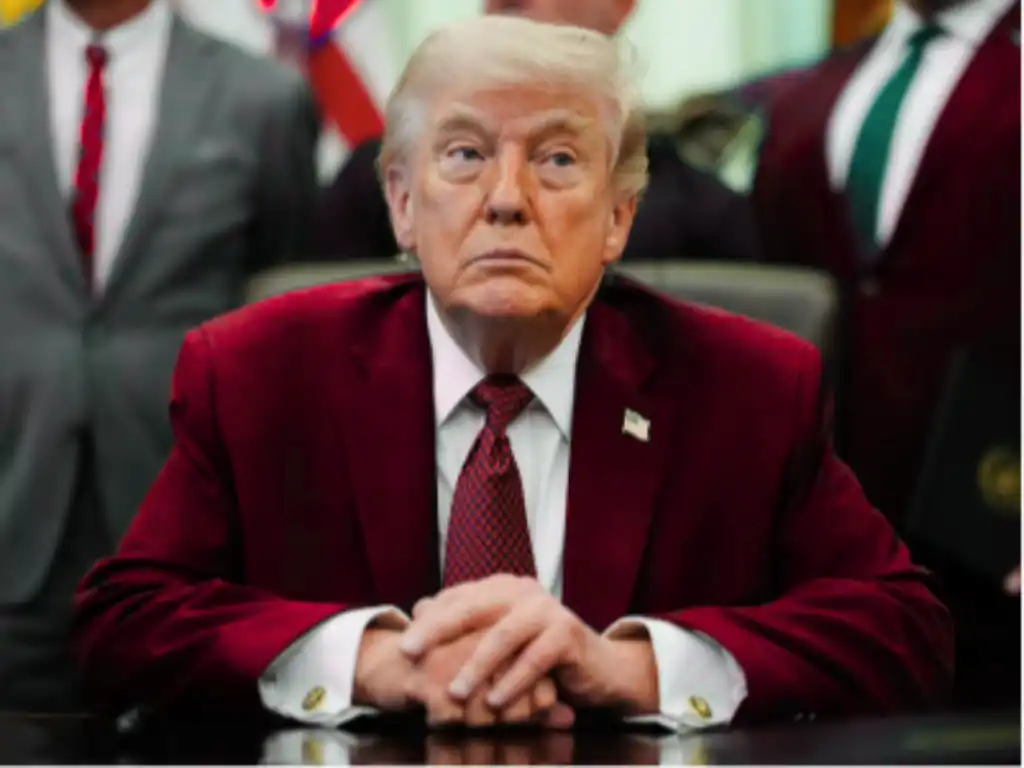
Trump Rejects Iran Ceasefire tensions between the US and Iran are rising again as former US President Donald Trump said he does not support extending the current ceasefire with Iran. With talks expected to take place soon in Pakistan, uncertainty is growing about whether diplomacy will succeed or whether the conflict will resume.
Trump’s stance on the ceasefire
In a recent interview, Donald Trump made it clear that he is not in favor of extending the ceasefire beyond its current deadline. The ceasefire, which temporarily halted hostilities, is set to expire soon. Trump’s refusal to extend it suggests that time is running out for diplomatic efforts.
He stressed that Iran must participate in the upcoming talks and reach an agreement soon. He said Iran has no choice but to come to the table and accept what he called a “great deal.”
Pressure on Iran to negotiate
Trump expressed confidence that Iran will eventually agree to talks. He argued that a deal could help Iran rebuild its power and improve its position on the world stage. However, his comments also included strong claims about US military action, saying that Iran’s naval and air capabilities had already been significantly weakened.
Despite these statements, Iran has not officially confirmed its participation in the talks, increasing uncertainty about the entire process.
Growing military threats
The situation has been further complicated by Trump’s warnings that the US military is fully prepared to resume the conflict if the talks fail. He mentioned that military forces are “ready to go,” signaling the serious possibility of renewed fighting.
More controversially, Trump suggested that infrastructure such as bridges and energy facilities in Iran could be targeted, arguing that they are used for military purposes. These remarks have raised concerns about the potential escalation and humanitarian consequences.
Iran’s response
Iran has responded forcefully, saying it will not negotiate under pressure or threats. Officials have warned that the country will use all available means to defend its sovereignty if necessary.
This firm stance indicates that the two sides remain distant from each other, which makes a peaceful resolution more difficult.
Strait of Hormuz crisis
A major source of tension is the Strait of Hormuz, a vital route for global oil shipments. Iran has repeatedly opened and closed the strait in response to military and political developments, particularly in relation to Lebanon.
Meanwhile, the United States has imposed a naval blockade of Iranian-aligned ships in the area. This has led to direct confrontations, including the seizure of at least one Iranian ship — which Iran has denounced as “piracy”.
Global implications
The instability in the Strait of Hormuz has had significant global consequences. Oil prices have risen on fears of supply disruptions, and fuel prices have risen sharply in many countries, including the United States.
This economic pressure adds another layer of urgency to the situation, as the protracted conflict could further affect global markets.
An uncertain future
Although Trump predicted that a deal could still be reached, the path forward is still unclear. The combination of military threats, economic pressure, and political disagreements makes the upcoming talks highly volatile.
If the talks in Pakistan fail, there is a real risk that the ceasefire will collapse, potentially leading to renewed conflict between the United States and Iran.
Conclusion
The current situation highlights the fragile nature of the peace between the United States and Iran. With the ceasefire nearing its end and both sides maintaining strong positions, the upcoming talks will play a key role in determining whether diplomacy can prevail or whether tensions will once again escalate into conflict. Learn more about this news.